Room‑By‑Room Guide to Choosing Hardwood Flooring for Prewar Apartments on Staten Island
If you live in a prewar apartment on Staten Island, your floors work hard every day. Original subfloors, thicker plaster walls, and tall baseboards add charm, but they also change how hardwood performs. This practical guide explains how to choose species, plank width, and finishes for each room so your home looks classic and stays quiet. For a hands-on plan that fits your building, explore our wood floor installation options with Galaxy Hardwood.
What Makes Prewar Buildings on Staten Island Different
From St. George and Tompkinsville to New Dorp and Tottenville, many prewar buildings have plank subfloors over wood joists. These move a little with the seasons, especially near the water where spring fog and summer humidity swing fast. Steam heat in winter dries the air, then coastal air adds moisture in July.
Before you pick a floor, confirm the subfloor is sound and reasonably flat, and check moisture levels. Old planks can be sturdy, but squeaks or dips may call for repairs and an acoustical underlayment. Upper-floor units also need smart sound control so footsteps stay private for the neighbor below.
Best Wood Species For Prewar Apartments On Staten Island
Old-world trim and tall ceilings love species that balance character with durability. Here are local-friendly picks many homeowners choose:
- White oak: Tight grain hides wear, takes stain evenly, and fits historic trim profiles.
- Red oak: Classic warmth with visible grain that suits original doors and casings.
- Maple: Smooth look for smaller rooms; keep finishes light to avoid showing scuffs.
- Hickory: Rustic variation that adds drama in bigger living rooms.
- Walnut: Rich color that pairs with vintage radiators and brass hardware; best in lower-traffic rooms.
When boards move a little with the seasons, stable cuts and proper acclimation matter. Engineered planks with a real hardwood wear layer can offer added stability over older subfloors, yet nail-down solid hardwood remains a favorite where the structure allows.
Narrow Plank Or Wide Plank In Older Homes
Prewar apartments often came with narrow strip floors. They make tight rooms feel longer and help mask small subfloor waves. Wide planks look luxurious but show movement and gaps more if humidity swings hard. In spaces with uneven subfloors, narrow or mid-width boards usually lay flatter and feel quieter.
- Narrow to mid-width (2.25 to 5 inches): Traditional look, helps disguise seasonal seams.
- Wide plank (6 inches and up): Big visual impact in open living rooms; pair with a high-quality underlayment and steady indoor humidity.
If you want the wide-plank look, invest in acclimation time and a professional assessment of subfloor flatness. That extra step can keep edges tight through winter and summer.
Choosing Finish And Sheen By Room
Finish controls maintenance and mood as much as color. A matte or satin sheen hides small scratches better in busy areas. Glossier looks can highlight original millwork but show traffic paths faster.
Match the finish to how each room lives day to day:
- Entry and hallway: Matte or satin for scuff resistance; durable topcoat for rolling carts and boots.
- Living room: Satin for a soft glow that flatters vintage windows and area rugs.
- Bedrooms: Matte for a calm, cozy feel that hides morning footprints.
- Kitchen and dining nook: Sturdy topcoat to hold up under chairs; use felt pads and runners.
If your building gets afternoon sun or bay breezes, lighter stains in oak help soften color shifts over time. Dark stains are dramatic, yet they may show dust sooner in bright rooms.
Room‑By‑Room Recommendations On Staten Island
Entryway and Main Hall
These paths collect grit. White oak in a mid-width plank handles daily wear without shouting about it. Keep a runner near the door, and consider a threshold with a subtle bevel where the hallway meets the living room. If you want a historic vibe in West Brighton, a simple border in a slightly darker oak adds period charm without feeling fussy.
Living Room or Parlor
Bigger rooms in St. George or Stapleton take well to wide-plank engineered white oak with a wire-brushed texture. It softens light from tall windows and makes the space feel calm. If acoustics matter for movie night, a quality underlayment trims echo and cushions steps.
Bedrooms
Maple or walnut brings quiet warmth. Go with a matte finish and a mid-width plank so morning light does not show every line. If the bedroom sits above a neighbor, use an acoustical underlayment designed for multi-family buildings to cut impact noise from footsteps and dropped items.
Kitchenette or Dining Nook
Choose a sturdy white oak in a satin sheen. It stands up to chairs and quick spills if you wipe them promptly. Old radiators can create hot spots, so keep area rugs breathable and avoid trapping heat beneath plastic backings.
Hall Closets and Utility Corners
Keep species and stain the same, but consider a slightly lower sheen for easy touch-ups. Consistent color throughout the apartment helps rooms flow and makes small spaces feel larger.
Upstairs Units and Noise Control
Sound is the number-one complaint in older walk-ups. A layered approach works best: a firm, level subfloor, an acoustical underlayment rated for impact noise, and a properly fastened hardwood over it. Rugs in high-traffic zones help too. For more day-to-day strategies, browse our flooring tips to keep floors quiet and beautiful.
Color And Stain Ideas That Fit Prewar Details
Muted mid-browns and light natural oak suit original door casings and mosaic entry tiles. If your living room trim is already painted, a warm natural stain keeps the space airy without washing it out. In compact Tompkinsville layouts, lighter floors bounce window light and help the ceiling feel taller.
Want a deeper classic tone? Try a medium brown on white oak to keep grain visible and avoid a flat, painted look. Pair deeper floors with neutral walls and bronze or brushed brass hardware for a timeless finish that works across decades.
Installation Approaches That Respect Older Structures
Prewar buildings vary, so installation methods do too. Nail-down over a stable plank subfloor gives a solid, heritage feel where structure allows. Glue-assist techniques help reduce movement in wider boards. Floating installs can work over some substrates, yet they may not be ideal for sound in older multi-family buildings.
If you are comparing methods, our hardwood flooring services team evaluates subfloors, transitions at doorways, and threshold heights so your new floor meets existing trim cleanly. Smooth transitions matter in small rooms because every inch counts.
Board Approval, Scheduling, And Building Guidelines
Many co-op and condo boards on Staten Island ask for basic documentation like insurance, work hours, elevator protection, and acoustical details before installation. Requirements vary by building and board, so plan a little extra time for review. Have product cut sheets and underlayment specs ready so approvals move faster and neighbors stay happy.
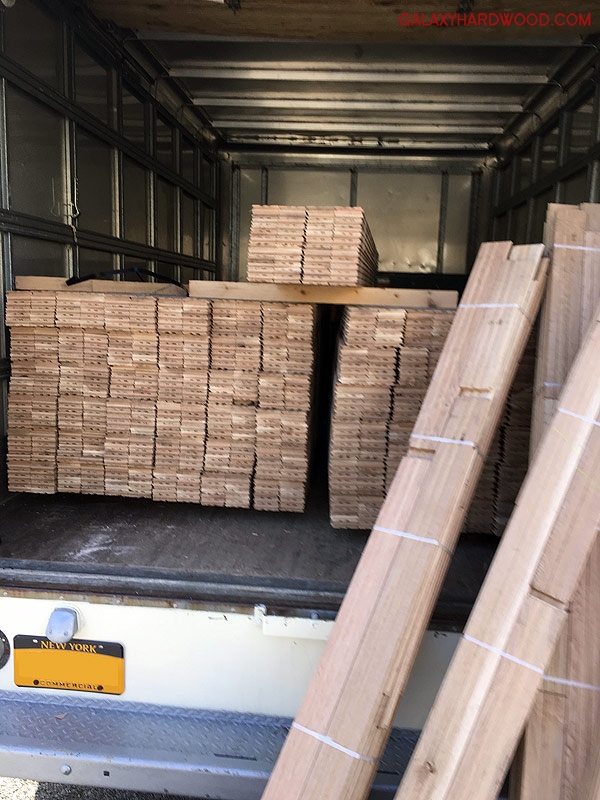
If delivery or cutting has to happen curbside on narrow streets, schedule during lighter traffic and protect common areas along the path. Dust control, clean exits, and good communication with the superintendent keep projects smooth from start to finish.
Care And Maintenance For Long Life
Hardwood loves steady care more than hard scrubbing. Place breathable mats near doors, use felt pads under chairs, and sweep fine grit before it scuffs the finish. Keep indoor humidity consistent through the seasons so seams stay even and boards remain quiet underfoot.
If you are new to ownership, this guide on hardwood flooring on Staten Island gives you a strong starting point. For deeper dives on finishes, stain tests, and room-by-room styling, the articles at flooring tips offer simple, practical advice you can use right away.
Getting From Vision To Floors You Love
With the right plan, your prewar apartment keeps its character and gains everyday durability. Start by choosing species and plank width that match room size and light, then select a finish that hides the traffic you actually have. If you want help matching floors to original trim or balancing sound and style, Galaxy Hardwood is ready to assist.
Talk with a specialist today at 718-873-5815, or explore solid hardwood floors that fit your building’s needs. When you are ready to move ahead, we can confirm subfloor conditions, provide a clean schedule, and coordinate with your building so your new floors look like they have always belonged.
Get Your Hardwood Flooring Done Right With Our Hardwood Flooring Professionals In Staten Island!